
If you've noticed back pain while playing pickleball, you're not alone. As a Burlington chiropractor who works with active adults and recreational athletes, this is one of the most common complaints I hear from pickleball players.
The good news? In most cases, back pain isn't caused by pickleball itself—it's caused by how our bodies respond to the demands of the game.
Let's look at the most common reasons your back may hurt during or after a match, along with a few simple exercises that can help keep you on the court.
Why Does Pickleball Cause Back Pain?
1. The Athletic Ready Position Fatigues Your Lower Back
Pickleball requires you to spend long periods in a slightly bent-forward athletic stance, especially when you're positioned at the kitchen line. Throughout the game you're constantly:
- Bending toward the ball
- Lunging
- Returning to an athletic position
- Staying ready for the next shot
While you're in this posture, the muscles in your lower back and hips are working continuously to keep you upright. As those muscles fatigue, they become less efficient at supporting your spine, leading to stiffness, soreness, and eventually back pain while playing pickleball.
If you're playing several times per week—or multiple days in a row—this fatigue can accumulate over time.
2. Age-Related Changes Can Make the Back More Sensitive
One reason pickleball has become so popular is that it's accessible for adults of all ages. However, as we get older, it's completely normal to develop:
- Mild arthritis
- Joint wear and tear
- Reduced spinal mobility
Having arthritis does not automatically mean you'll have pain. Many people have arthritis without any symptoms.
However, repetitive bending, twisting, overhead shots, and standing back upright can place additional stress on the small joints of the lower back (facet joints). If those joints are already a little stiff or irritated, pickleball can make them more sensitive.
3. Hard Court Surfaces Increase Repetitive Impact
Most pickleball is played on concrete or similarly hard court surfaces.
Every step, shuffle, lunge, and quick change of direction sends force through your:
- Feet
- Knees
- Hips
- Lower back
Over the course of a long game, that repetitive loading can irritate the discs, joints, and surrounding muscles—especially if your body isn't recovering well between sessions.
4. Playing Pickleball Isn't the Same as Training for Pickleball
This is one of the biggest issues I see as a Burlington chiropractor.
Many players are active, but pickleball is the only activity they do each week.
While playing regularly is fantastic for your health, it doesn't necessarily prepare your spine for the movements the sport demands.
During a game, your spine must:
- Rotate
- Bend forward
- Extend backward
- Reach
- Twist
- Stabilize during quick movements
Unfortunately, many of us spend the rest of the week:
- Sitting at a desk
- Driving
- Walking
- Lifting weights while intentionally keeping the spine rigid
Your arms and legs stay active—but your spine often doesn't move through its full range of motion.
When your only spinal mobility comes during pickleball, it's much more likely to become irritated.
Four Exercises to Help Prevent Back Pain While Playing Pickleball
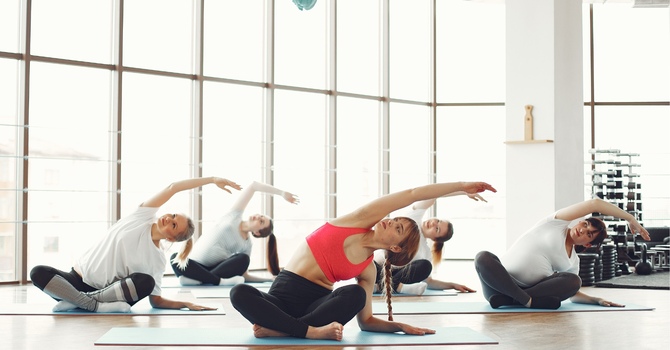
Adding just a few minutes of mobility and strengthening exercises several times each week can make a significant difference.
1. Cat-Camel (Cat-Cow)
This simple movement gently takes your spine through flexion and extension, improving mobility throughout the entire back.
How to do it:
- Start on hands and knees.
- Round your back toward the ceiling while tucking your chin.
- Slowly reverse the movement by lifting your head, dropping your belly, and extending your back.
- Repeat slowly for 10-15 repetitions.
2. Thread the Needle
This exercise improves rotation through the middle back (thoracic spine), which can reduce stress placed on the lower back during rotational movements.
How to do it:
- Start on hands and knees.
- Reach one arm underneath your body.
- Rotate and reach the same arm toward the ceiling.
- Repeat 8-10 times per side.
3. Bird Dog
The Bird Dog helps improve core stability and teaches your trunk muscles to support your spine during movement.
How to do it:
- Begin on hands and knees with a neutral spine.
- Extend one arm and the opposite leg.
- Keep your hips and shoulders level.
- Return to the start and repeat on the opposite side.
- Complete 8-12 repetitions per side.
4. Good Morning Hip Hinge
This movement teaches you to bend through your hips instead of your lower back.
How to do it:
- Stand tall with a slight bend in your knees.
- Keep your back neutral.
- Push your hips backward as your chest leans forward.
- Return to standing.
- Repeat for 10-15 repetitions.
This is also a great warm-up before stepping onto the court.
When Should You See a Burlington Chiropractor?
If your back pain:
- Persists after playing
- Continues to worsen
- Limits your performance
- Keeps returning every time you play
it's worth having it properly assessed.
Not all lower back pain comes from the same structures, and identifying the true source is essential for effective treatment.
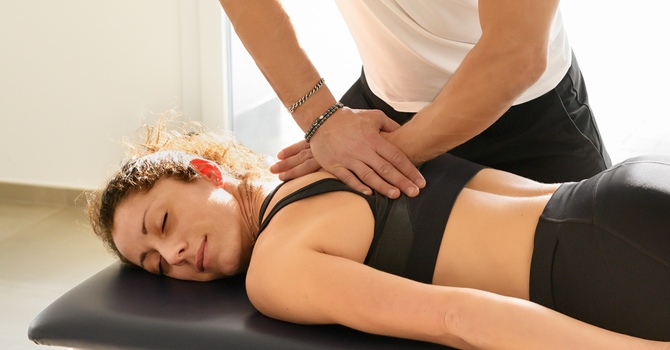
At The Recovery Room Chiropractic & Wellness, we help pickleball players identify the underlying cause of their symptoms and create individualized treatment plans using:
- Chiropractic care
- Exercise rehabilitation
- Shockwave therapy (when appropriate)
- Mobility and strength programming
- Return-to-sport guidance
Our goal isn't just to reduce pain—it's to help you stay active and continue enjoying the sport you love.
Keep Playing Without Back Pain
Experiencing back pain while playing pickleball doesn't necessarily mean you need to stop playing. In many cases, improving spinal mobility, building endurance in the muscles that support your back, and addressing movement limitations can significantly reduce symptoms.
If you're looking for a Burlington chiropractor who understands the unique demands of pickleball, we'd be happy to help you get back on the court safely and confidently.
Dr. Phil Wessel
Contact Me
.png)
