
Plantar Fasciitis Treatment: How We Help You Get Back on Your Feet at The Recovery Room Chiropractic and Wellness
By Dr. Phil Wessel, Chiropractor & Owner – The Recovery Room Chiropractic and Wellness
If you’re dealing with persistent heel or foot pain, there’s a good chance you’ve heard the term plantar fasciitis. It’s one of the most common causes of heel pain that I see in my clinic, especially among active individuals like runners, pickleball and paddle players, squash players, and people who spend long hours on their feet such as nurses and healthcare workers.
Plantar fasciitis can be frustrating and stubborn, but the good news is that with the right understanding and the right plantar fasciitis treatment plan, most people can recover and return to the activities they love.
Let’s break down what plantar fasciitis is, why it happens, and how we treat it here at The Recovery Room Chiropractic and Wellness.
What Is Plantar Fasciitis?
The plantar fascia is a thick band of connective tissue that runs from your heel bone to the base of your toes. Its job is to:
-
Absorb shock
-
Support the arch of your foot
-
Help distribute forces during walking, running, and jumping
Plantar fasciitis occurs when this tissue is placed under excessive strain over time, leading to irritation, micro-tearing, and inflammation—most commonly where it attaches at the heel.
Although symptoms may seem to appear suddenly, plantar fasciitis is almost always an overuse injury that has been gradually developing beneath the surface.
Common Symptoms of Plantar Fasciitis
-
Sharp or aching pain at the bottom of the heel
-
Pain that is worse first thing in the morning
-
Pain when standing up after sitting for a while
-
Symptoms that ease with movement but worsen again after prolonged activity
This pattern—pain with first steps, temporary improvement, then worsening later—is a classic sign of plantar fasciitis.
What Causes Plantar Fasciitis?
In my experience, most cases are linked to one or more of the following:
-
Sudden increase in activity (starting running, pickleball, or exercise)
-
Returning to activity after time off
-
High training volumes without adequate recovery
-
Long hours on hard surfaces such as concrete
-
Foot structure issues (flat feet or very high arches)
-
Limited ankle mobility or tight calf muscles
Ultimately, plantar fasciitis develops when demand exceeds capacity—the tissue is being asked to handle more load than it can recover from.
How We Approach Plantar Fasciitis Treatment
Every case starts with a thorough assessment to confirm that plantar fasciitis is truly the source of your pain and not another foot or ankle condition.
We look at:
-
Foot structure and biomechanics
-
Ankle and lower limb mobility
-
Muscle function and strength
-
Training history and activity levels
Once we identify the contributing factors, we build a personalized treatment plan.
1. Manual Therapy
Hands-on treatment and instrument-assisted techniques help reduce tension in:
-
Calf muscles
-
Foot muscles
-
Plantar fascia
This improves tissue mobility and decreases pain.
2. Shockwave Therapy for Plantar Fasciitis
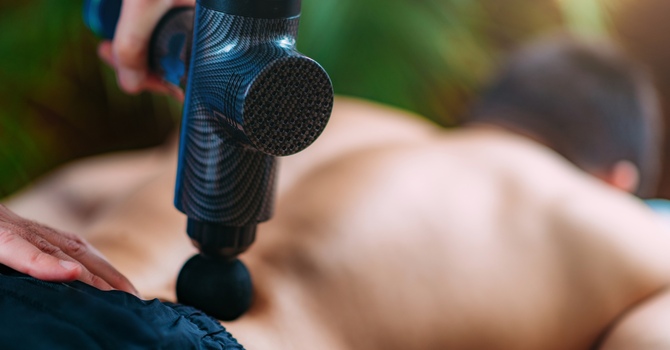
For chronic or stubborn cases, shockwave therapy can be extremely effective. It helps stimulate circulation, promote tissue repair, and restart the healing process when progress has stalled.
3. Corrective Exercise & Strengthening
Targeted exercises strengthen the intrinsic foot muscles, calves, and supporting structures. This increases tissue capacity so your foot can tolerate load again.
4. Footwear Guidance
Proper footwear and adequate cushioning are essential—especially if you spend time on hard surfaces.
5. Custom Orthotics (When Appropriate)
Custom orthotics can temporarily offload stress from the plantar fascia and provide support during healing. While not always a long-term solution, they can be very helpful in the short to medium term.
6. Recovery & Load Management
True healing requires:
-
Adequate sleep
-
Good nutrition
-
Smart activity modification
-
Built-in rest days
We either reduce demand or increase capacity—ideally both.
Three At-Home Tips for Plantar Fasciitis Relief
If you’re dealing with plantar fasciitis, start with these simple strategies:
1. Stretch Your Calves and Plantar Fascia
Use a towel around your foot and gently pull toward your shin. Hold 30–60 seconds, several times per day.
2. Static Calf Holds
Stand with the balls of your feet on the edge of a step and let your heels drop slightly. Hold for 1–2 minutes. No bouncing.
3. Ball Roll Massage
Roll a tennis ball or lacrosse ball under your foot while seated, applying gentle pressure.
These won’t fix everything on their own, but they can reduce tension and improve comfort.
Why Early Treatment Matters
The longer plantar fasciitis lingers, the more stubborn it becomes. Early, targeted plantar fasciitis treatment can shorten recovery time, prevent compensation injuries, and get you back to full activity faster.
We’re Here to Help
Plantar fasciitis is one of the most common conditions we treat at The Recovery Room Chiropractic and Wellness—especially given our location inside a paddle and pickleball facility. If heel or foot pain is limiting your training, work, or daily life, we’d be happy to help.
Feel free to reach out, send us an email, or book an assessment.
Dr. Phil Wessel
Chiropractor & Owner
The Recovery Room Chiropractic and Wellness
Follow along for more injury education, recovery tips, and performance-focused content.
Dr. Phil Wessel
Contact Me

.png)
